History and mission
Leysin became a mixed (winter/summer) tourist destination in the 1950s, following the gradual closure of the tuberculosis-curing sanatoriums. Infrastructure such as the gondola lift and sports facilities were put in place to switch from a hospital resort to a sports resort. As a result, the former sanatoriums were transformed into hotels and international schools. The resort was divided into two distinct domains, Télé Leysin and Télé Les Mosses-La Lécherette. In early 2011, Télé Leysin SA decided to merge with Télé Les Mosses-La Lécherette, out of a need to better rationalize costs, and became Télé Leysin-Les Mosses-La Lécherette SA. The idea is to offer an attractive range of services and prices, with 100km of pistes linking the 3 ski areas.
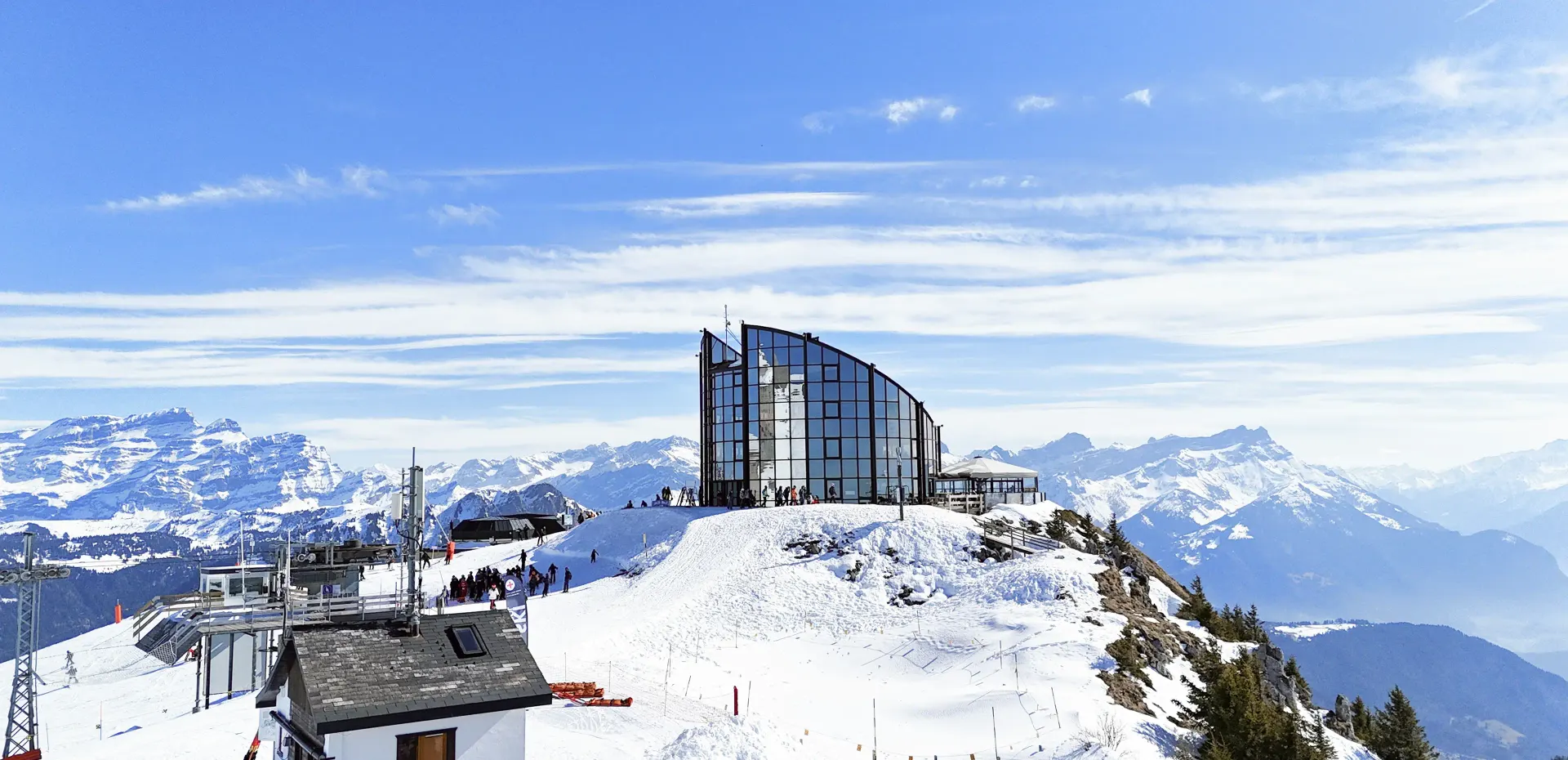
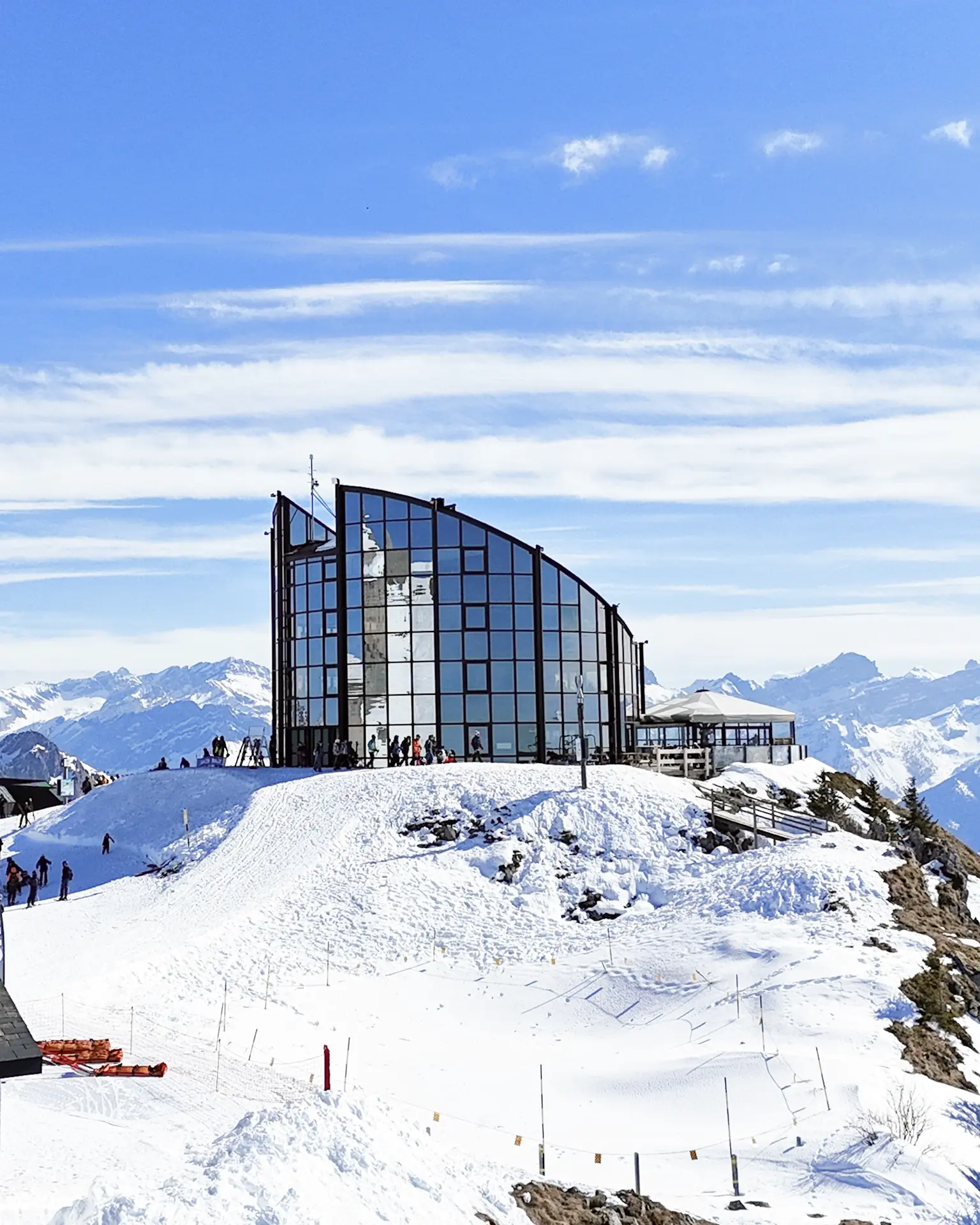
In the early 90s, a new infrastructure was built in the Leysin ski area, at an altitude of 2,048 metres. The "Kuklos" revolving restaurant at the summit of the Berneuse. The name Kuklos comes from the Greek word for circle. A very apt name, given the main concept, which is to rotate on itself on one of the floors. The restaurant was built after the existing chalet restaurant burned down.
Other restaurants have gradually sprung up on the Leysin, Les Mosses and La Lécherette estates.
Télé Leysin-Les Mosses-La Lécherette has also developed other activities, such as the Tobogganing Park. This park was created in 1999 in the aftermath of storm Lothar. The park's founder, Silivio Giobellina, a former Olympic bobsleigh champion, began creating a few runs for tourists and villagers stranded in Leysin by the storm. In 2000, the park opened its doors to a unique winter sports experience, with lanes designed for snowtubing (descending on rubber buoys).
For the summer season, the company set up mountain bike trails to host the Mountain Bike World Cup in 1999. The infrastructure was redone in 2019 to develop several sensations for customers.